What is Social Proof Software and Do You Need It?
I was looking at conversion funnels for a group of growing e-commerce clients last quarter. The common thread in every struggle? A major trust gap. My team frequently found that 92% of customers check online reviews before making a purchase decision. But often, those reviews were buried, outdated, or simply non-existent.
This isn't just about showing off. It’s about building foundational belief. Social proof is a psychological phenomenon where people look to others to decide how to behave, especially when uncertain, that helps potential customers make informed choices and reduce purchase anxiety. It's human nature.
Social proof software steps in to bridge that gap. It's a category of tools that automate the collection, curation, and dynamic display of external validation. No more manual copy-pasting testimonials. This means authentic feedback, from real customers, actively influences visitor behavior on your site. For more on boosting conversions with testimonials, explore our guide on 10 Proven Ways To Boost Website Conversions With Customer Testimonials.
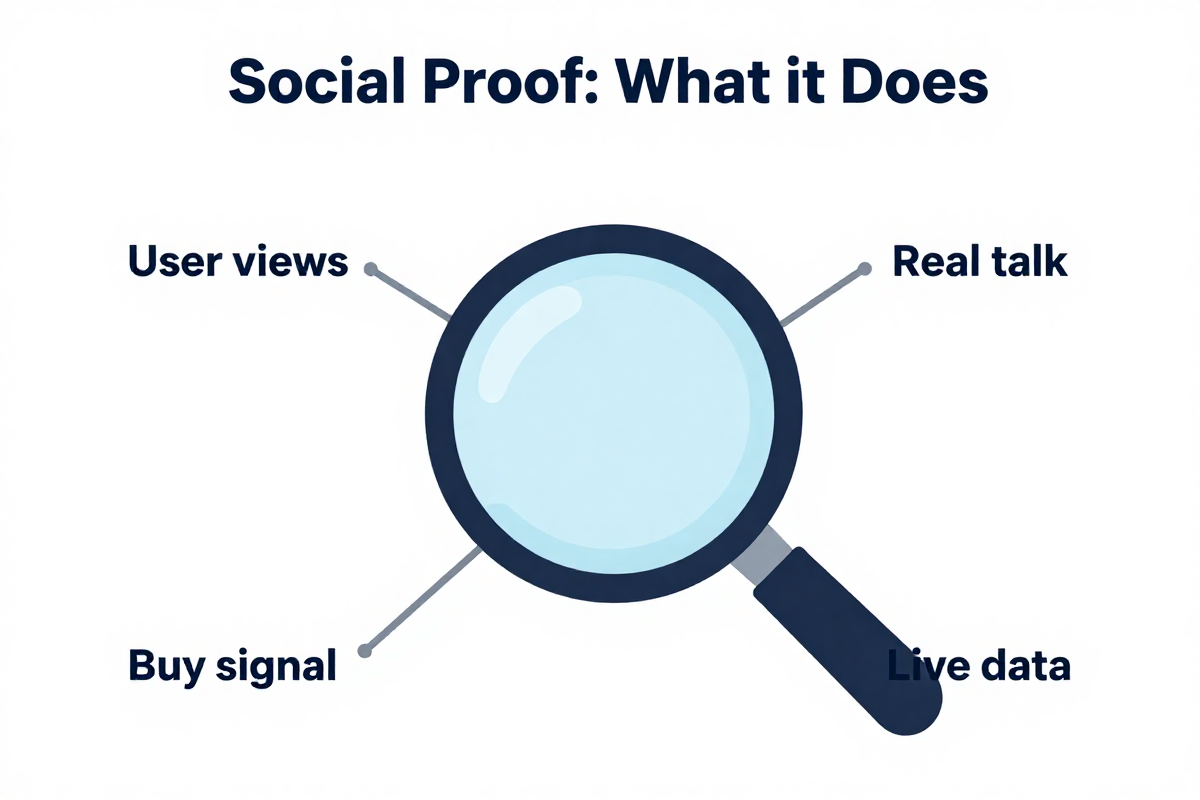
What social proof software actually does
Social proof software captures the buzz of real-world interactions and broadcasts it strategically to your website visitors. Think of it as a digital amplifier for your existing customer love.
It's not just about vanity metrics; it's about leveraging a core psychological principle. Robert Cialdini coined the term "informational social influence" back in 1984, describing our tendency to look to others when we're unsure. And that influence is HUGE. According to this Gartner report, 90% of software buyers are influenced by some type of social proof during the consideration stage. It's a serious factor for decision-making.
What kind of interactions are we talking about?
- Testimonials: Direct quotes from happy customers.
- Reviews: Star ratings and detailed feedback from third-party sites.
- Social Media Mentions: Positive comments, shares, and endorsements on platforms like X and LinkedIn.
The bigger issue is how that information is presented. You're not just dumping a pile of reviews on a page; you're curating a dynamic display that highlights the most relevant and persuasive content to the individual visitor.
For example, we found that recent activity feeds (showing live actions of real people) can increase conversions by 10%. That said, keep your website visitors engaged with authentic customer videos. Driving Growth With Authentic Customer Videos.
Different types of social proof software
Social proof software isn't one-size-fits-all; it breaks down into a few distinct categories. Each tackles the problem of building trust, but with different approaches.
Review Aggregators
Review aggregators are exactly what they sound like: tools that pull in reviews from various sources and display them in one place. 97% of consumers read online reviews when browsing for local businesses, so having a consolidated view is crucial. These tools scour sites like Google, Yelp, and industry-specific review platforms. The catch? You're still at the mercy of those platforms.
Activity Notification Tools
These tools create a sense of real-time buzz on your site. They display notifications of recent purchases, sign-ups, or other actions taken by real users. Proof Pulse found that showing recent actions can increase conversions by 15%. But there is a thin line between helpful and annoying, so tread carefully.
UGC Platforms
UGC (User-Generated Content) platforms go beyond simple reviews to incorporate all sorts of content created by your users. This could include photos, videos, social media posts, and more. If you want authentic customer videos, UGC platforms are your best bet. They give you a diverse range of content to showcase, which is helpful.
Which type of social proof software is right for you? Think about where your customers are already talking about you and what kind of content resonates most with your audience.
Want to gather social proof more easily? See our guide on How To Ask For Reviews to get started.
Live activity and notification widgets
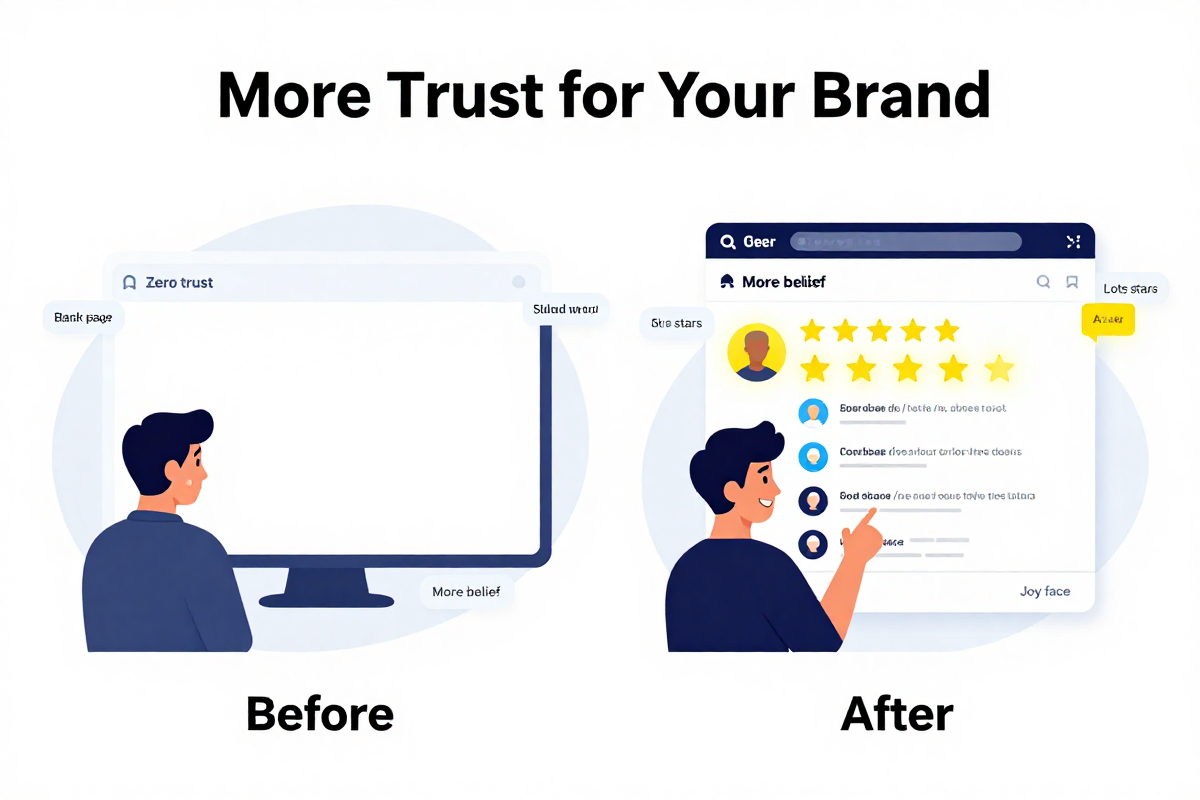
Live activity and notification widgets are a way to inject real-time urgency into your website experience. The idea? Show visitors that others are actively engaging with your product or service right now.
Tools like Fomo and Proof Pulse are leaders in this space. They allow you to display a stream of notifications highlighting recent sign-ups, purchases, or form submissions. Proof Pulse data says "Hot Streaks" (showing recent actions) can increase conversions by 15%.
And the "Live Visitor Count" (showing the number of people currently viewing a page) can bump conversions by 8%. (It feels like walking into a popular, crowded restaurant. Suddenly, it must be good.) But, use with caution. Don't show fake data; that erodes trust faster than anything.
It's important to know that these tools provide recent activity feeds, with live actions of real people, which can increase conversions by 10%.
Testimonial and review management systems
Testimonial and review management systems offer a deeper level of validation than live activity streams. Think of it this way: Live activity creates short-term buzz, while testimonials build long-term credibility.
Platforms such as Testimly give you the tools to gather both video and text reviews. It's not just about collecting feedback; it's about showcasing authenticity. The goal? Solid customer validation.
So, how does it work?
- Automated requests: Set up automated email sequences to request reviews after key customer touchpoints. (e.g., post-purchase, after a support interaction).
- Easy submission: Provide customers with a simple, mobile-friendly way to submit their reviews, whether it's a quick star rating or a detailed video testimonial.
- Centralized management: Manage all your reviews in one place, making it easy to curate and display them on your website.
One under-appreciated part of testimonial management is the 'human' element. You can't just set it and forget it. It requires moderation, responding to feedback (both positive and negative), and actively engaging with your customers. This shows that you value their opinions. And this value will increase your customers' loyalty.
The beauty of video testimonials is their impact. Customers speaking candidly about your product can move mountains.
User generated content platforms
User-generated content (UGC) platforms showcase real customers using your products in real-world scenarios. It's like turning your customers into brand ambassadors, but with zero script.
These platforms pull content directly from social media feeds, think Instagram and TikTok, showing potential buyers authentic experiences. The upside? Pure, unadulterated community validation.
For example, tools such as EmbedSocial specialize in curating and displaying social media feeds directly on your website.
- They allow you to aggregate content based on hashtags, mentions, or specific user accounts.
- You can then embed these feeds on product pages, landing pages, or even in blog posts to showcase your product in action.
This form of social proof is especially potent for brands targeting younger demographics who are heavily influenced by social media trends and influencers. But beware, you'll need to actively monitor these feeds to ensure the content aligns with your brand values. Otherwise, you're handing the microphone to a crowd you can't control.
Consider integrating a testimonial and review management system such as Testimly to gather both video and text reviews, showcasing authenticity.
Why social proof works on the human brain
It's wired into our DNA. Social proof is a psychological phenomenon where people look to others to decide how to behave, especially when uncertain. It taps into fundamental survival instincts.
Think back to our evolutionary history. Early humans survived by sticking together. Conformity wasn't just a social nicety; it was a matter of life or death. If everyone else ran from a rustling bush, you ran too—questions later.
That ingrained behavior persists today.
The "Wisdom of the Crowd" effect reinforces this. The theory is that the collective opinion of a group is often more accurate than that of individual experts. This plays out in subtle ways, from choosing a restaurant with a long line to trusting a product with glowing reviews. And it's why adding social proof can increase conversions by 10-15% per page.
Social proof on your website vs social media
Social proof on your website aims to convert; social media social proof aims to create buzz. One closes deals. The other starts conversations.
Think of your website – specifically landing pages – as the bottom of your marketing funnel.
- Website social proof adds fuel to campaigns.
- Social media proof builds brand.
For instance, use testimonials on product pages to directly influence purchase decisions. Proof Pulse notes that social proof marketing aims to build visitor's trust, create urgency, and increase conversions. But, on platforms like X, share customer stories to broaden your reach. These could highlight user-generated content to attract new followers.
The real distinction? Control. Your website lets you strategically place social proof where it matters most – right before a conversion point. Social media is more like shouting into a crowd. Hope someone hears you.
How to choose the right software for your business
Choosing the right social proof software boils down to aligning it with your specific business needs and goals. E-commerce stores thrive on urgency, while SaaS companies and founders prioritize deep trust.
For e-commerce businesses, live activity notifications can be game-changers. The goal is to simulate the feeling of a busy store, nudging hesitant shoppers towards a purchase. But, if you're running a SaaS platform, focus on building credibility through in-depth testimonials and case studies.
Think about where you're trying to drive conversions and what kind of messaging will resonate most with your target audience.
- E-commerce: Activity notification tools that display recent purchases or views to create urgency.
- SaaS/Founders: Testimonial and review management systems that showcase in-depth feedback and build trust.
Don't forget to calculate the potential ROI. Proof Pulse indicates that adding social proof can increase conversions by 10-15% per page. Factor in the cost of the software and the potential revenue gain from increased conversions to determine if the investment is worthwhile. (And remember to factor in the time saved by automating manual processes.)
Before committing, run a test. Most platforms offer free trials or limited free plans. For example, Famewall's pricing starts from free, scaling to $79.99/month for the Business plan, allowing you to explore the software without making a financial commitment.
But remember, authenticity is key. Avoid using fake or misleading social proof, as it can damage your brand's reputation. Focus on showcasing genuine customer experiences.
Our team frequently found that 92% of customers check online reviews before making a purchase decision. So, consider authentic feedback from real customers, actively influencing visitor behavior on your site. Consider using 10 Proven Ways To Boost Website Conversions With Customer Testimonials.
Now, set up your free trials and A/B test different types of social proof on your site. Let real data guide your decision.
Features founders should prioritize
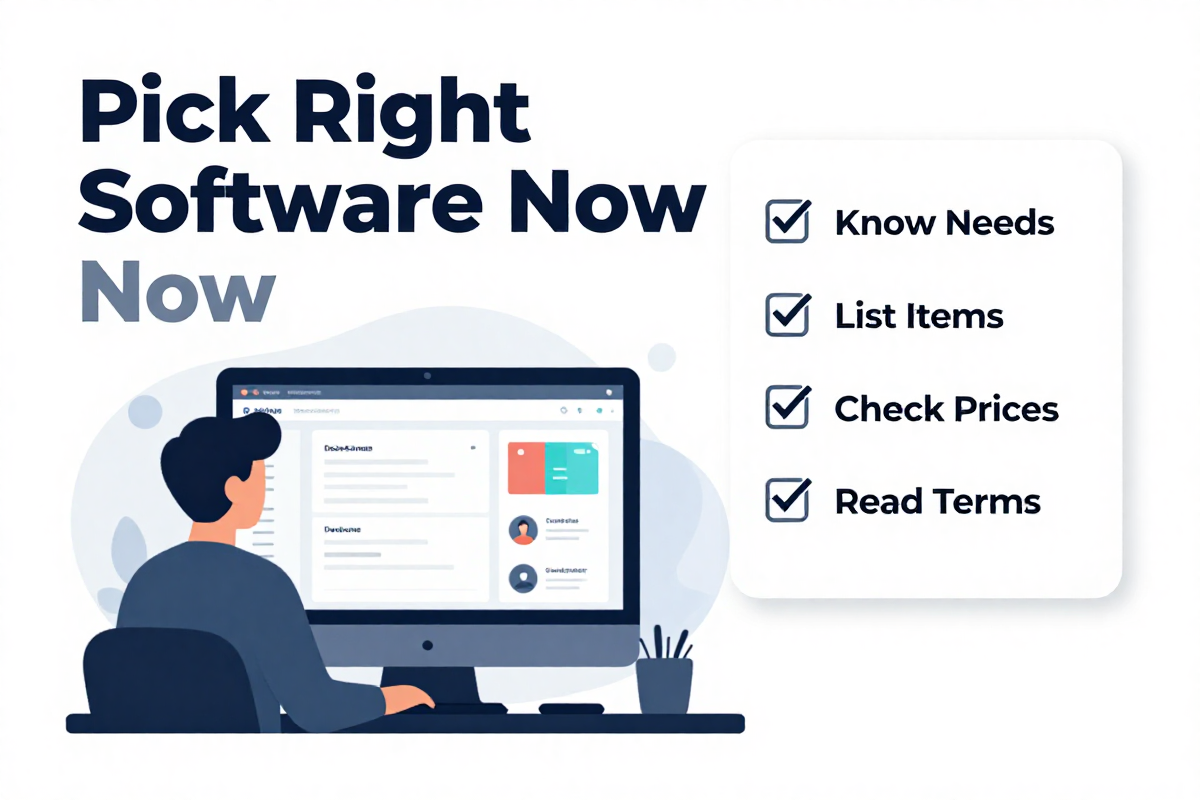
Founders need social proof software that works smarter, not harder. A clunky interface or a complicated setup process just eats up valuable time.
Here's what I tell my clients to look for:
- Ease of Collection: Can you gather testimonials without chasing down customers for weeks? (Automated request sequences are non-negotiable.)
- Video Support: Text is fine, but video testimonials are gold. Make sure the platform can handle video uploads and display them beautifully.
- Seamless Integration: Does the software play nice with your existing website platform and marketing tools? (Native integrations save headaches.)
- Customization Options: Can you tailor the look and feel of the social proof displays to match your brand? (On-brand visuals build trust.)
Testimly, for instance, was built from the ground up to handle authentic customer videos. Our team found that nothing beats seeing real people talk about your product, so we made it dead simple to collect, manage, and showcase those videos. Other platforms treat video as an afterthought. For us, it's the main course. And unlike those other platforms, we focus on customer-centric authenticity above all else.
Automation and integration capabilities
Automation and integration capabilities can transform your social proof collection from a chore into a hands-free engine.
But how? It boils down to connecting your social proof software with the tools you already use.
Why Zapier Matters
Zapier acts as the ultimate connector. It lets you create automated workflows between different apps, even if they don't natively "talk" to each other. The real win here is that you can trigger review requests based on actual customer behavior.
- For example, set up a Zap that automatically sends a review request email 7 days after a customer makes a purchase in your e-commerce platform.
- Or, trigger a request after a customer support ticket is closed with a positive rating.
CRM Integration
CRM (Customer Relationship Management) integration offers even deeper personalization. By connecting your social proof software to your CRM, you can segment customers based on their purchase history, demographics, or engagement level.
This means you can send highly targeted review requests that are more likely to resonate with each individual customer. The problem? Make sure your CRM has the features to properly support this.
Here’s a quick breakdown:
- Personalized requests: Send requests for video reviews only to your most loyal customers.
- Avoid spamming: Ensure that those who’ve already left a review aren't bombarded with repeat requests.
Think of the efficiency. You won’t be manually exporting lists, importing data, and crafting one-off emails. Let the machines handle it. The goal? Scale up social proof collection without adding more to your plate.
Testing your social proof strategy
Testing your social proof strategy isn't optional; it's essential to ensuring you're seeing a genuine conversion lift. Don't just set it and forget it. Treat it like any other marketing campaign.
A/B testing is your friend here. Split test everything.
- Notification Timing: Does showing a notification immediately after a visitor lands on your page drive engagement, or does it come across as too aggressive? Try delaying the notification by 5-10 seconds and see if that improves results.
- Testimonial Placement: Is your testimonial widget more effective above the fold or further down the page, closer to the call to action? Experiment with different placements to see what resonates best with your audience.
But simply knowing what to test is not enough. (It sounds simple. It isn't). You need to dive into the why behind the numbers.
What is the optimal placement and message that resonates with your audience? Are you seeing a drop-off in conversions after a certain period? Or is a specific design element hurting your overall engagement?
Dive into the analytics – Proof Pulse analytics offers insights into click-through rates, engagement metrics, and ultimately, the impact on conversions.
Ethical considerations of social proof
Social proof is a powerful tool, but it's a double-edged sword. Faking it destroys long-term brand equity.
The biggest ethical landmine is fake reviews. Paying for positive reviews or creating fake accounts to inflate your ratings might give you a short-term boost, but the fallout can be devastating.
Consider this:
- Customers are savvier than you think. They can spot a fake review from a mile away.
- Review platforms like Google and Yelp actively crack down on fake reviews, and penalties can include anything from demotion in search rankings to complete removal from the platform.
Then there are misleading notifications. Manufacturing a sense of urgency by displaying fake purchase notifications or inflated visitor counts is a shady tactic. Sure, you might trick a few people into buying, but what happens when they realize they've been duped?
Here's the thing: trust is fragile. One slip-up, one discovered lie, and you can kiss your reputation goodbye. It's like pouring acid on your brand. Once it's gone, it's gone.
Instead, focus on authenticity and transparency. Solicit genuine feedback from real customers, even if it's not always glowing. Respond to negative reviews with empathy and a willingness to resolve the issue. Because that's the thing, those negative reviews offer invaluable insights into areas where you can improve.
Remember, it's better to have a few honest reviews than a mountain of fake ones. As Testimly was built from the ground up to handle authentic customer videos, we ensure customer-centric authenticity above all else.
How to spot fake social proof
Here's the deal: fake social proof is getting harder to spot, but it's not impossible. Consumers are becoming more skeptical, and they're starting to look for the cracks in the facade.
What are the key giveaways?
- Generic names and photos: "John S" with a stock photo screams fake.
- Overly enthusiastic language: If every review sounds like a marketing brochure, be wary.
- Missing details: Real reviews usually mention specific product features or use cases.
Verified reviews are crucial. Look for platforms that validate the identity of reviewers. (This doesn't eliminate fake reviews, but it raises the bar.)
Also, watch for inconsistencies in timestamped notifications. A flurry of activity at odd hours, or a sudden spike in purchases from the same location, raises red flags. It's like watching bots swarm a server.
Consider this too: are they actually reviews? Or pure ad copy? Social proof is a form of product or service referral from social media influencers, industry experts, or actual customers. But be warned: don't assume a stranger's face and name means they're legitimate.
Impact of AI on the future of social proof
AI's entrance into social proof is a mixed bag; it's both a threat and an opportunity. The rise of AI-generated reviews poses a considerable risk to brand trust. However, AI also offers sophisticated tools for understanding and leveraging customer sentiment.
The problem is that anyone can now spin up dozens of fake reviews with a few prompts. These AI-written testimonials often lack the specific details and genuine emotion that characterize real feedback, eroding consumer trust. But, AI's ability to analyze vast amounts of customer feedback offers serious advantages.
Sentiment analysis, powered by AI, can sift through reviews, social media mentions, and survey responses to gauge customer emotions. This insight allows businesses to:
- Pinpoint areas for improvement in products or services.
- Identify brand advocates and detractors.
- Personalize social proof displays to resonate with individual visitors.
And it gets better. Predictive social proof uses AI to anticipate what type of validation will most influence a potential customer based on their browsing behavior and demographics. For example, if a visitor has spent considerable time on a product page, showing them a video testimonial from a similar customer might be the nudge they need to convert.
The larger issue is that AI-driven personalization enhances relevance, boosting conversion rates. What are the limitations of the technique?
AI can't replace human connection. It still requires human oversight to ensure accuracy and ethical use. And while algorithms can identify trends and predict outcomes, they can't fully capture the nuance of human emotion or the context behind customer feedback. It takes a human touch.
Modern examples across different industries
Social proof isn't just for e-commerce giants; it's a must-have for any business wanting to build trust. Local businesses and service providers can especially benefit from it.
Take a local plumber, for instance. Instead of just claiming to be the "best in town," imagine their website showcasing a feed of 5-star Google reviews, complete with photos of happy customers and their sparkling new faucets.
Or consider a fitness coach. They can share client testimonials discussing their weight loss journey. These real-life stories resonate more than any generic marketing copy. According to BrightLocal, 97% of consumers read online reviews when browsing for local businesses, so neglecting this aspect is a missed opportunity.
Here’s how it breaks down across different sectors:
- Service providers: Plumbers, electricians, and contractors can use before-and-after photos coupled with customer reviews to showcase their quality of work.
- Coaching: Fitness, business, and life coaches can leverage video testimonials from clients discussing their transformation journey.
- Local restaurants: Displaying a live feed of positive social media mentions and reviews on their website can entice new customers to give them a try.
But learning how to ask for reviews correctly is the first step in building an authentic social proof library. Need a hand? Check out our guide on How To Ask For Reviews.
Common questions about social proof tools
Social proof doesn't need to break the bank – or your site speed. Many business owners worry about costs and performance hits, but those fears are often overblown.
Will adding social proof slow down my site?
Not if you choose the right tool. The old days of clunky Javascript widgets dragging down load times are gone. Modern platforms use optimized code and asynchronous loading to minimize impact. And if you're still worried, test it! Use Google's PageSpeed Insights to check your site's performance before and after implementation.
Here is what to check:
- Image Optimization: Ensure images are properly compressed.
- Asynchronous Loading: Load social proof elements without blocking other content.
- Caching: Leverage browser caching to reduce server load.
Done right, the conversion boost far outweighs any marginal speed decrease.
How much does social proof software cost?
Pricing varies wildly. Some platforms charge hundreds per month, while others offer surprisingly affordable plans. Famewall, for example, has a free tier, scaling to $79.99/month for their Business plan. It really just depends on your requirements.
Consider these options:
- Free Trials: Test the software before committing.
- Tiered Pricing: Scale up as your business grows.
- Feature Prioritization: Only pay for what you need.
And, don't forget to factor in the time saved by automating testimonial collection and display. Those hours have a dollar value.
Can I start using social proof tools for free?
Absolutely. Several platforms offer free plans or trials, allowing you to dip your toes in the water without a financial commitment. Free plans often have limitations on the number of notifications or reviews you can display. But they’re still a great way to experiment and see the impact on your site.
It's not about the price; it is about the value. We built Testimly focused on authentic videos, not all social proof tools offer that, and many charge extra for video support. Start there!
How difficult is implementation?
Implementation can range from dead simple to moderately technical. Many platforms offer one-click integrations with popular website builders like WordPress and Shopify. Others require a bit of code to embed the social proof elements. But don't let that scare you off!
Almost all platforms provide detailed documentation and support to guide you through the process. If you're not comfortable with code, consider hiring a freelancer or asking your web developer for help. Plus, once it's set up, it largely runs itself.
Now, pick a plan and try the integration on your site. Testimly offers customer-centric authenticity, which offers help every step of the way.
Collect testimonials in minutes
The easiest way to get video and text reviews from your customers. Start for free and build trust instantly.