
Testimonial placement strategy is the deliberate positioning of customer feedback across your website and marketing materials. It optimizes for conversion rates and builds immediate trust, ensuring the right social proof reaches your audience at critical decision points.
Key Characteristics:
- Focuses on strategic placement over sheer volume.
- Targets specific user hesitation points.
- Leverages social proof as a conversion accelerator.
- Involves data-driven decisions for optimal impact.
People often ask if dumping every review onto a "Wall of Love" page is enough. It's not. While a flood of positive feedback feels good, its impact is often diluted when not placed strategically. You need that 'shout-out' in front of the right person at their exact moment of hesitation.
By the end of this guide, you will master the art of effective testimonial placement, knowing exactly where to put each piece of social proof to maximize conversion rates, without relying on outdated tactics or guesswork.
What is a testimonial placement strategy?
A testimonial placement strategy involves the deliberate positioning of authentic customer feedback across your digital presence to influence purchasing decisions. This isn't a new concept; rather, it's a refined approach to an age-old marketing tactic.
This strategic positioning ensures the right message reaches your audience at crucial moments, addressing their hesitations directly. It's about maximizing impact, not just collecting reviews.
For example, Quaker Oats famously pioneered using print ad testimonials in the late 1800s, proving early on that customer voices drive sales. The very concept of "marketing" dates back to the 15th century, emphasizing how long businesses have sought ways to connect with customers and prove value.
We're just applying that same logic to the modern web. You highlight specific customer feedback on the pages where it resonates most, turning trust into conversions.
Why layout matters more than the words
The visual presentation of a testimonial often carries more weight than the actual words within it. Your audience forms a split-second judgment based on how easily they can digest and trust the feedback you’re showing.
This means a compelling message gets lost if the design layout is cluttered, hard to read, or appears inauthentic. Poor presentation can instantly undermine credibility, no matter how glowing the review.
In fact, industry analysis reveals the power of visual impact. Research into 267 B2B SaaS testimonial sections confirmed that a well-executed layout was responsible for 30% higher conversion rates. That's a huge difference!
It’s not just about showcasing feedback; it’s about making it shine. You want to guide the reader’s eye, highlight key phrases, and ensure the entire presentation feels trustworthy and professional. Think about the visual impact before the exact phrasing.
A great design layout makes your social proof instantly credible, drawing your visitor in. It lets them absorb the positive sentiment without extra effort. And that connection builds trust.
Psychology behind why placement works
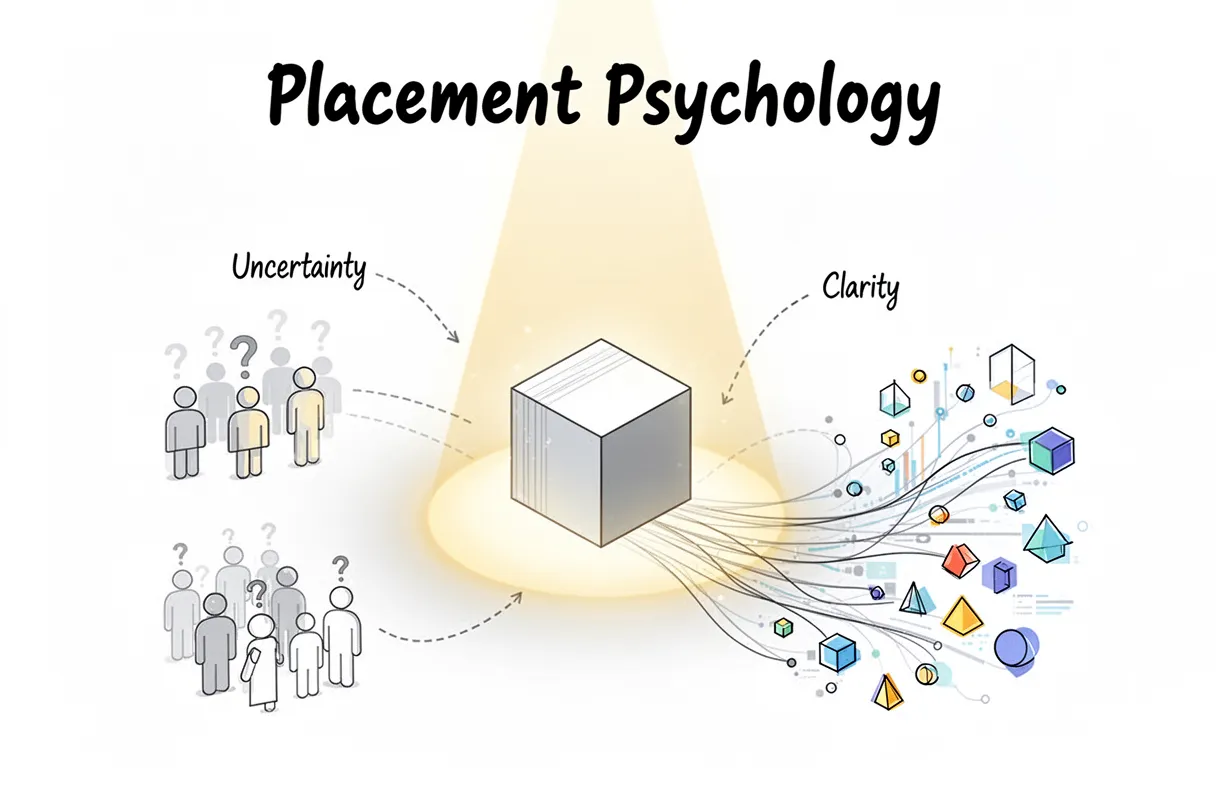
People seek reassurance, especially when making a buying decision. You want proof your choice is the right one, and strategically placed testimonials offer that crucial social validation. This works best when potential customers feel uncertain.
The core of social proof lies in tapping into innate human behaviors. We naturally look to others for guidance when we're unsure.
That's why understanding consumer psychology is vital. It dictates where your social proof will have the most impact.
The CRAVENS principles offer a powerful framework for this, guiding your testimonial strategy for maximum effect. They encompass the key psychological drivers behind impactful social proof:
- Credibility: The source must be believable. People trust genuine, verifiable testimonials.
- Relevance: The feedback should resonate directly with the reader's specific needs or situation. It feels more personal.
- Attractiveness: While not always literal, the testimonial should come from a relatable or aspirational customer. This can be industry recognition.
- Visual Appeal: A clean, engaging design makes the testimonial easier to digest and more trustworthy. (It reinforces what you already know about layout.)
- Ease of Understanding: The message needs to be clear, concise, and quickly absorbed. Complex testimonials get ignored.
- Proximity: Place testimonials close to the specific decision point they influence. This ensures immediate impact.
- Specificity: Vague praise doesn't convert. Concrete details about problems solved or results achieved build real trust.
Applying these principles in your decision-making process for placement ensures your testimonials aren't just seen, but felt. They actively guide visitors toward a conversion.
The 93 percent rule of online reviews
The 93 percent rule highlights a stark reality: nearly all online consumers base their purchasing decisions on peer feedback. This isn't just a preference; it's a fundamental expectation.
Recent studies on online review statistics confirm that 93% of internet users specifically check online reviews before making a purchase. This widespread habit shows people inherently trust others' experiences more than brand messaging alone.
This massive reliance underscores the immense power of consumer trust. Your prospective customers are actively seeking reassurance from individuals like themselves, validating their choices before committing.
It's a direct application of social proof, proving that what others say about your product or service often carries more weight than your own claims. Each positive online review becomes a powerful advocate for your brand.
Where to place testimonials on your website
Placing testimonials effectively means deploying social proof where your customers need it most: at their decision points. You want to reduce friction and build trust exactly when it matters.
Your website has several high-impact zones where customer feedback makes a real difference. Think about where users might hesitate or need that extra push. That's your target.
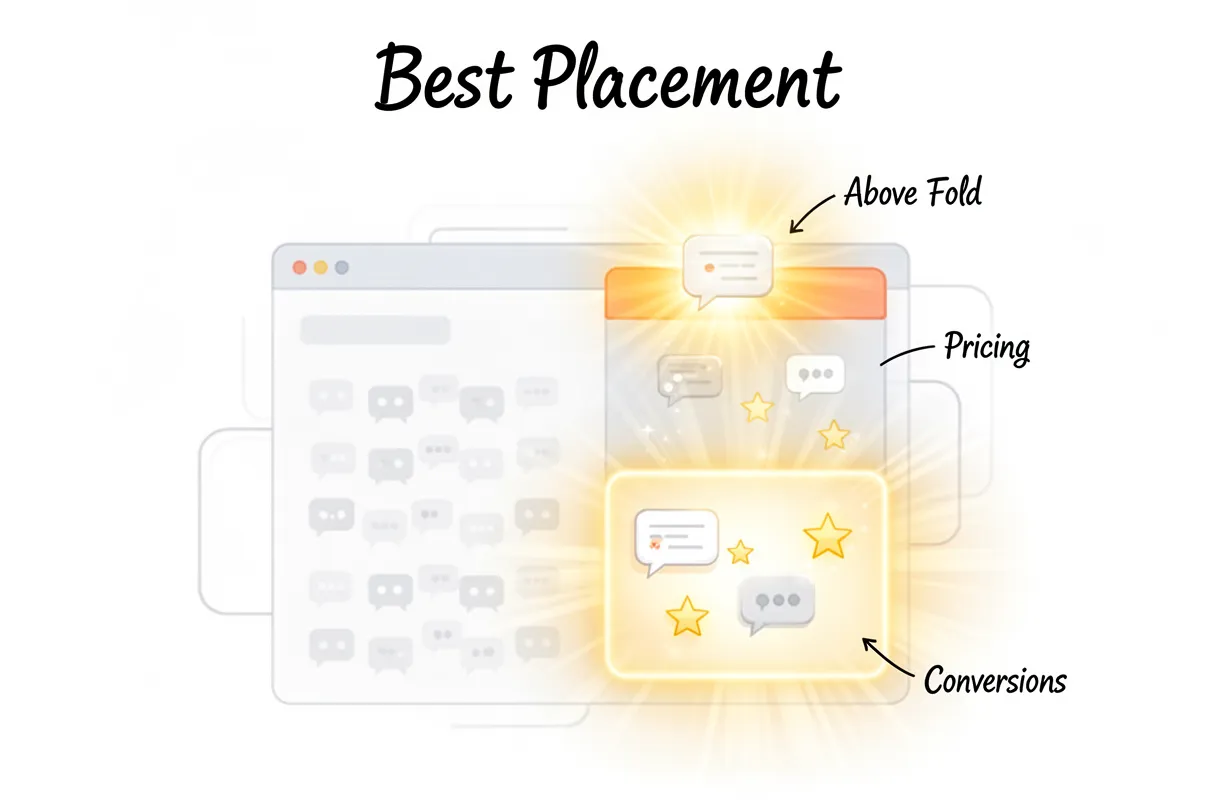
- Homepage (Above the Fold): This is your immediate credibility builder. A powerful testimonial here instantly assures new visitors. It shows them they're in the right place, backed by happy customers.
- Product/Service Pages: Specific pages need specific proof. Place testimonials directly related to the product or service featured. This directly addresses potential questions or objections.
- Pricing Pages: Visitors on these pages are weighing value against cost. Testimonials here validate your offering and demonstrate ROI. They directly impact purchase intent.
- Checkout Pages: The final hurdle before conversion. Reassurance from prior buyers can significantly reduce checkout conversions abandonment. A quick, punchy quote can seal the deal.
- Dedicated Testimonial Pages ("Wall of Love"): While great for brand storytelling and deeper dives, these pages serve a different purpose. They build depth and trust for those actively seeking it. They aren't the primary spot for impulse conversions.
Focus your energy on those high-friction areas. That's where testimonials earn their keep, actively guiding your visitors. We often see clients dramatically improve their conversion rates by strategically placing social proof. For a deeper dive into conversion tactics, explore these proven ways to boost website conversions.
Remember, a "Wall of Love" builds fantastic brand depth. But above the fold and on pricing pages is where your testimonials start making you money.
Why you must optimize the checkout and pricing pages
Optimizing your checkout and pricing pages with testimonials isn't just a good idea; it's essential for your business's ROI. These are the final decision points in your customer's journey, making them prime real estate for social proof that converts.
Proper testimonial placement can boost checkout conversions by an average of 7%, and up to 270% in specific cases. That's not a marginal gain; it's a game-changer for your bottom line.
Pricing Pages: Sealing the Value Proposition
Visitors on your pricing page are evaluating cost versus perceived value. They need a strong push.
- Build confidence: Testimonials here reassure buyers they're making a smart investment.
- Justify cost: Happy customers validate your prices, showing others they got more than they paid for.
- Reduce friction: Direct, relatable success stories smooth over any lingering doubts about value.
Testimonials on pricing pages directly address a common question: "Is this worth it?" The right feedback says, emphatically, "Yes."
Checkout Pages: The Final Conversion Lift
The checkout page is the last hurdle. This is where buyers commit, but also where checkout funnel abandonment peaks. A well-placed testimonial acts as a powerful final nudge.
It reduces last-minute hesitation. Someone else's positive experience reinforces the buyer's choice, easing any potential anxiety. You're offering final, undeniable proof.
We've seen clients significantly lower their cart abandonment rates by placing concise, benefit-driven testimonials here. They create a feeling of shared success.
Focusing your testimonial strategy on these high-leverage pages generates real, measurable conversion lift. And that means more revenue for your business.
The proximity rule for Call to Action buttons
Placing a relevant testimonial directly beside your Call to Action (CTA) button drastically lowers immediate buyer anxiety. This tiny positioning shift can mean the difference between a click and a lost lead, because you're addressing doubts at the very moment they surface.
Customers pause. They hesitate. That split second before clicking 'Buy Now' or 'Sign Up' is crucial, filled with questions like "Is this right for me?" or "Can I trust this?"
A well-chosen testimonial right there answers those questions instantly. It’s like a friendly nod from someone who's already taken the plunge and loved it.
This technique is all about friction reduction. You're not just adding social proof; you're applying it precisely where the emotional resistance is highest. Think of it as a confidence booster, perfectly timed.
What works best?
- Short, punchy quotes. No need for a novel here.
- Directly address a pain point. Show how your product solved it.
- Focus on a key benefit. Reiterate the value they're about to get.
You can even use micro-copy from a testimonial, pulled into a short phrase. " 'Finally, a tool that just works!' " – right next to your 'Start Free Trial' button. It's potent.
This proximity rule isn't theory; it's a proven method to increase conversion rates on your most important pages. Go back to your highest-value CTAs and add that close-quarters social proof.
Modern layouts that outperform the standard list
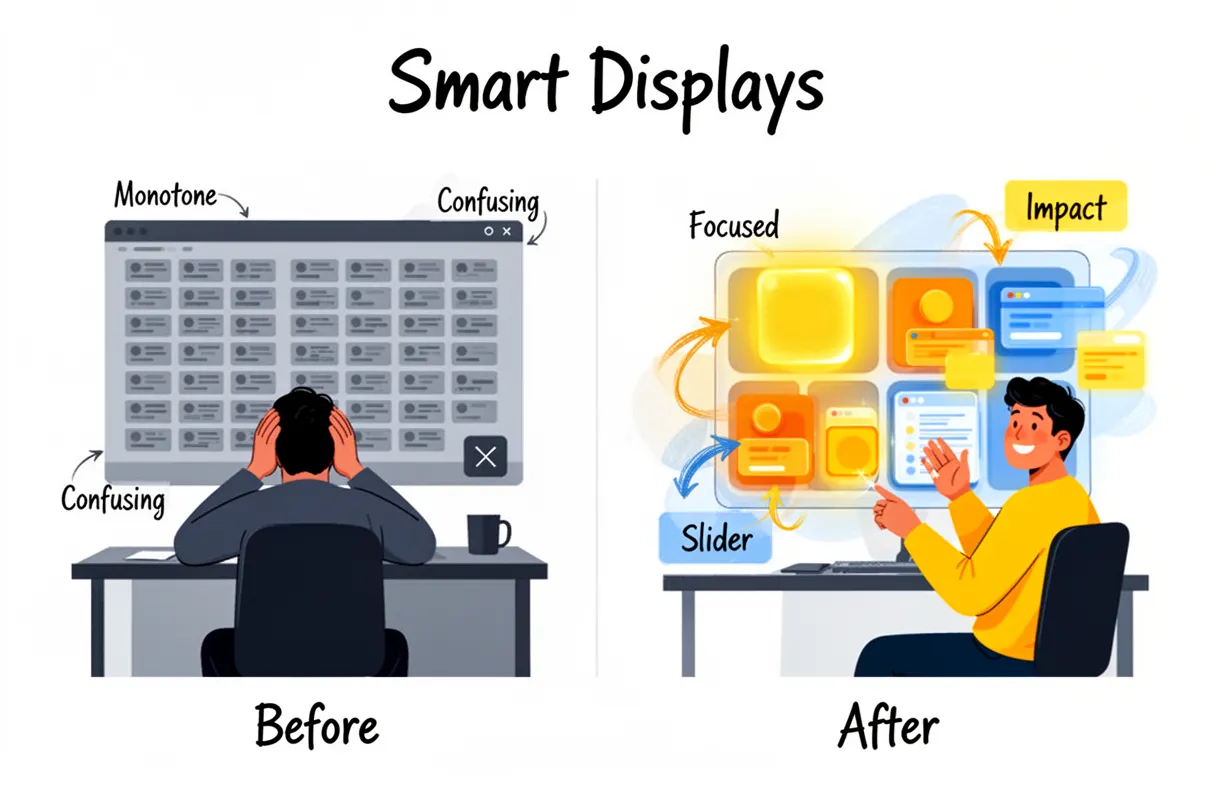
Modern testimonial layouts move beyond simple, static lists to engage visitors more effectively and showcase social proof strategically. Choosing the right display style directly impacts how your audience perceives trust and value. It’s about matching the visual experience to your business model and customer journey.
Sliders: Dynamic Proof for SaaS and Services
Sliders offer a compact, rotating display for testimonials, perfect for delivering quick social proof without consuming much page space. These are ideal for SaaS platforms or service businesses that need to convey trust on busy landing pages.
Customers can quickly swipe through multiple positive experiences, getting a snapshot of diverse satisfaction. This keeps the user experience clean and focused. We've seen sliders perform exceptionally well on hero sections or immediately below a product's key features, where attention is at a premium.
Bento and Wall Layouts: Building Trust with Volume
Bento layouts and testimonial walls create a visually rich grid of social proof, designed to convey significant user endorsement at a glance. These are excellent for new brands or companies needing to establish immediate credibility.
They present a large volume of testimonials in an organized, appealing way, suggesting widespread satisfaction. This collective impression can be powerful for new market entrants. Deploy these on dedicated "social proof" pages, or as impactful sections on your main homepage.
Tabbed Displays: Organized Proof for Diverse Offerings
Tabbed testimonial displays allow companies with multiple products or services to categorize social proof, making it easy for visitors to find relevant endorsements. This is crucial for multi-product businesses or agencies with varied service offerings.
Customers can simply click a tab specific to their interest (e.g., "Web Design," "SEO," "App Development") and instantly see only those relevant testimonials. It personalizes the proof. Our clients use these effectively on individual product pages or within service category sections, ensuring targeted relevance.
Using mini case studies for B2B pages
Mini case studies prove tangible value quickly for B2B buyers by showcasing specific, measurable results without demanding a full PDF download. They eliminate friction, delivering direct ROI proof exactly when a potential client needs it.
These concise narratives act like concentrated testimonials, focusing on the client's problem, your solution, and the direct impact. Think beyond vague praise. Your mini case study highlights a 15% reduction in churn or a $250,000 increase in annual revenue.
On a B2B page, attention spans are short. Visitors want facts that address their specific business pain points. They need to see how you solve their problems, not just hear general positive feedback.
Crafting Effective Mini Case Studies:
- State the Challenge: Briefly outline the client's initial problem or goal. (e.g., "Company X struggled with lead conversion.")
- Show Your Solution: Explain how your product or service directly addressed that challenge. Keep it concise.
- Quantify the Outcome: This is the core. Use hard numbers. "Increased conversion rates by 22%," "Reduced operational costs by $50,000," or "Accelerated project delivery by 3 weeks."
- Include a Key Quote: A powerful, results-oriented quote from the client reinforces authenticity.
Place these mini case studies directly on solution pages, product feature pages, or even within relevant blog posts. They provide immediate, context-specific social proof. According to research from Demand Gen Report, 60% of buyers rate case studies as valuable content. (This means keeping them bite-sized is even more critical).
We've observed our clients achieve significantly higher engagement when these mini case studies are digestible on the page. They build credibility instantly. A potential buyer can scan key data points and grasp your value proposition in seconds, not minutes. This is crucial for B2B marketing where complex solutions need simplified proof.
To implement this, you should identify your most impactful client success stories. Then, distill them into these potent, fact-driven snippets. Focus on the numbers. Make it clear how your service translates into tangible business gains.
How to handle multi-product testimonial displays
Businesses with diverse offerings need segmented testimonial displays. Generic testimonial feeds overwhelm visitors, hiding the social proof most relevant to their specific needs. Instead, show targeted feedback directly tied to what your customer is looking for.
This means moving beyond a single scrolling list. You must present reviews in a way that allows users to quickly find feedback pertinent to their industry, product, or role.
Why Segmented Feedback Drives Conversions
Providing relevant, segmented feedback directly addresses the "is this for me?" question every visitor asks. It cuts through noise. A B2B client looking for CRM software doesn't want to read testimonials about your graphic design service.
This approach boosts engagement significantly. According to industry observations, visitors spend 3x longer on pages where testimonials are clearly categorized and easy to navigate.
Implementing Dynamic Testimonial Displays
The best way to handle multi-product testimonials is through dynamic or tabbed displays. These interfaces let users filter reviews based on categories you define. It ensures your social proof hits harder because it's precisely what the reader needs to see.
Here's how you should approach this:
- Categorize Your Testimonials: Group existing feedback by product, service, industry, or even client pain point. This step is non-negotiable for effective segmentation.
- Design a Tabbed or Filtered Interface: Create clear tabs or dropdown menus on your testimonial pages. Each option should correspond to a specific category. Think "B2B SaaS," "E-commerce Solutions," or "Marketing Agencies."
- Implement Clear Labeling: Use intuitive labels for each tab or filter. Visitors should instantly understand what kind of testimonials they'll find in each section.
- Prioritize Impactful Reviews Within Tabs: Don't just dump all relevant testimonials. Feature your strongest, most quantitative feedback at the top of each tab. Make those industry-specific wins undeniable.
- Consider Default Views: Set a smart default tab based on the landing page content or user's presumed intent. If a user lands on your 'E-commerce Solutions' page, the e-commerce testimonials tab should be active.
Our platform helps you manage this segmentation with ease. We built robust categorization features to ensure your clients always see the most impactful reviews for their unique situation. It's about making your social proof work harder, not just having more of it.
To start, audit your existing testimonial library. Identify where your current display might be missing out on crucial relevance. Your goal is to guide visitors to the exact proof they need to convert.
How to automate your testimonial placement with Testimly
Automating your testimonial placement simplifies the entire social proof workflow, making it effortless to consistently showcase customer success. Our platform, Testimly, streamlines everything from gathering feedback to live display on your site, requiring zero technical expertise.
Here’s how Testimly takes the heavy lifting out of managing your testimonials:
- Streamlined Collection with Branded Links: You start by sharing a unique, branded link with your happy customers. This link guides them through an intuitive process to submit video, text, or image testimonials. It ensures a consistent, professional experience for every submission (our system makes this testimonial collection process effortless).
- Customizable Widget Showcase: Once collected, our platform transforms these testimonials into stunning, customizable widgets. You design them to perfectly match your brand's aesthetics – colors, fonts, layouts – ensuring a seamless integration into your site. These aren't generic boxes; they are an extension of your brand.
- Effortless Embedding, Anywhere: Placing these powerful widgets on any website or CMS platform is incredibly simple. You receive a single, easy-to-copy code snippet. Paste it where you want your social proof to appear, and you’re done. No complex coding, no developer needed. 🚀
- Diverse Formats Drive Trust: For maximum impact, integrate a variety of testimonial formats. While text reviews offer quick readability, video testimonials build immediate trust and authenticity. Our system handles all formats with equal ease, ensuring your diverse feedback looks sharp.
This approach transforms testimonial management from a tedious task into a powerful, automated engine for conversion. You gain precious time back, allowing you to focus on your core business, not chasing down reviews or struggling with code.
Why video testimonials beat text alone
Video testimonials build significantly more trust and feel profoundly more authentic than text reviews alone. Seeing and hearing a real person share their positive experience creates an immediate, visceral connection for potential customers.
Your audience connects with genuine emotion, vocal tone, and facial expressions in a way static text simply cannot replicate. This makes video social proof incredibly powerful.
It's far harder to fake a video testimonial. That raw, unfiltered user generated content cuts through skepticism, making your social proof undeniably credible.
This deeper level of engagement translates directly into higher conversion rates. When prospects truly believe in what others say, they're much more likely to take the next step.
When deciding on testimonial formats, remember that the data consistently shows video outperforms text. It's a critical element for modern buyers.
We always recommend using a mix of formats for the best visual appeal and maximum impact. Use concise text snippets for quick readability, but always prioritize showcasing authentic videos where you can.
Embrace video now. It's a non-negotiable for building genuine connections in your marketing strategy.
Advanced tactics for high authority placement
High authority placement strategically positions specific, impactful testimonials where they resonate most with a user's current intent, moving beyond general displays to targeted conversion drivers. This means understanding not just where a testimonial sits, but which testimonial offers the most credibility for that specific moment.
Contextual matching enhances impact significantly. If a product page highlights security features, showcase a testimonial specifically praising your robust security. This hyper-relevance directly addresses user concerns.
It makes the testimonial feel less like a general endorsement and more like a direct answer.
Prioritize "power user" endorsements. Not all testimonials carry equal weight; feature quotes from recognized industry experts or well-known brands prominently. These act as powerful trust anchors for your most skeptical visitors.
We often recommend placing these near critical decision points or within sections discussing innovation. Their influence is undeniable.
Leveraging data-rich social proof is another crucial tactic. Testimonials that include quantifiable results (e.g., "boosted sales by 30%", "reduced costs by 15%") should always get prime placement. Numbers cut through ambiguity.
These powerful statements excel on pricing pages or specific feature landing pages. They push prospects from consideration to conviction.
To secure these high-authority testimonials, proactive generation is key. Don't just ask, "Were you happy?" Instead, ask: "What specific problem did we solve for you?" or "What measurable impact did you see after using our product?"
This approach guides customers to provide richer, more detailed feedback that highlights your unique value. It takes a focused effort, but the long-term payoff is substantial.
Verification significantly elevates your placement strategy. A testimonial where the customer's identity and experience are confirmed automatically earns higher placement priority. Knowing a review is 100% authentic means it can withstand scrutiny.
This verification allows you to confidently display these testimonials in high-visibility, high-stakes areas. Without this crucial step, even a fantastic quote might not earn its spot.
Consider dynamic displays for real-time relevance. Someone arriving from a Google Ads campaign focused on "fast delivery" should ideally see a testimonial praising your speed and efficiency. This personalized approach deepens engagement.
This requires a system capable of serving specific content based on user behavior or traffic source. (While more complex than static placement, it drives higher conversion rates.)
Review your existing testimonials. Identify those with the highest authority — specific results, expert names, or verifiable claims. Strategically re-place them on your most relevant pages, prioritizing their visibility. Then, begin actively seeking new testimonials using specific, results-oriented questions to build an even stronger bank of social proof.
How to A/B test your testimonial locations
A/B testing your testimonial locations means directly comparing different display strategies—like a single strong quote versus a dynamic carousel—to see which drives better conversion rates on key pages. This isn't about guessing; it's about making data-driven choices for optimal social proof effectiveness. You need real user behavior to inform your design decisions.
It's a foundational step in truly understanding what resonates with your audience.
Here's how to run effective split tests for testimonial placement:
- Define Your Conversion Goal: Start by identifying the specific action you want users to take. Is it a product purchase, newsletter signup, or a demo request? Your test must have a clear, measurable outcome.
- Select Target Pages: Focus on high-traffic, high-impact areas first. Your homepage is often a prime candidate, but pricing and checkout pages are equally crucial for these tests.
- Choose Testimonial Variants: Create two distinct versions. Variant A (your control) might be a standard testimonial carousel. Variant B (your challenger) could feature a single, highly compelling quote from a key client, perhaps with a photo.
- Implement Your Tools: Use A/B testing platforms like Google Optimize (or alternatives like Optimizely) to split your traffic. Complement this with heatmap and session recording tools (e.g., Hotjar, Crazy Egg) to visualize user interaction. Heatmaps show exactly where users click, scroll, and hesitate.
- Run the Test with Patience: Allocate traffic equally to both variants. Let the test run long enough to achieve statistical significance, which might take days or weeks depending on your site traffic. Don't pull the plug too early based on initial hunches.
- Analyze Beyond Clicks: Look deeper than just clicks on the testimonial itself. Did users exposed to Variant B proceed further down the funnel more often? Did they convert at a higher rate? (Sometimes, a testimonial is a subtle trust signal, not a direct call to action.)
- Iterate and Optimize: Once you have a clear winner, implement it across your site. But don't stop there. There's always room for further optimization. Test a different quote, a video testimonial, or even the placement within the page.
Remember, what performs well on desktop might not translate to mobile. Always consider responsive design and test across devices. This continuous cycle ensures your social proof constantly improves.
Using AI for collection and verification
AI dramatically streamlines the collection and verification of testimonials, making the process both faster and more credible. It turns what was once a manual chore into an efficient, automated workflow.
AI tools monitor public platforms like Reddit, forums, and social media. They pinpoint positive sentiment and genuine user discussions about your product or service, revealing authentic feedback.
This user-generated content is perfect for repurposing. Then, AI can even assist in drafting personalized outreach, securing necessary permissions quickly and maintaining a steady flow of fresh proof.
Authenticity is paramount. AI algorithms analyze language patterns, sentiment, and even user engagement metrics to identify potential red flags. They safeguard your brand from fraudulent or low-quality reviews.
It helps spot inconsistencies. (Things like overly generic phrases or unnatural posting frequencies.) This critical step filters out bots and paid spam that erodes trust.
But it's not a silver bullet. AI models still need human oversight to interpret nuance or sarcasm effectively.
Once verified, AI solutions categorize and tag these testimonials automatically. This ensures easy retrieval and optimal placement for maximum impact.
Imagine repurposing a compelling user story from a Reddit thread directly onto a relevant product page. AI facilitates this content transformation effortlessly.
Ethical guidelines for authentic social proof
Ethical guidelines for authentic social proof ensure transparency and build enduring trust with your audience. Upholding these standards isn't just a legal requirement; it’s a foundational step for long-term brand credibility.
You must always disclose any material connection between your business and the person giving a testimonial. This includes paid endorsements, free products, or employee reviews, as mandated by FTC guidelines in the United States and similar regulations globally. Transparency is key.
Crucially, explicit consent is non-negotiable before publishing any testimonial. This means getting clear, written permission from the individual to use their words, image, or video in your marketing. (Even a simple email chain can serve this purpose, but a formal release is always better.)
Don't shy away from all negative feedback. A perfectly flawless testimonial section often looks manufactured and fake. Incorporating a few (genuine) less-than-perfect reviews, managed professionally, builds credibility and shows you're not hiding anything.
Customers understand that no product or service is 100% perfect. Seeing a balanced view makes the positive reviews seem far more real. This approach cultivates a deeper, more resilient trust with potential buyers.
Common questions about testimonial placement
Is more always better for testimonials?
No, relevance consistently outperforms sheer volume when it comes to testimonial impact. A handful of highly pertinent testimonials resonate far more deeply than dozens of generic ones. Focus on testimonials that speak directly to the specific product or service a customer is viewing.
Your goal isn't just to prove popularity. It's to address specific pain points and build trust for that particular offering. Think quality over quantity.
Do I need a separate testimonials page?
Relying solely on a dedicated testimonials page is not your primary strategy for conversion. While a separate page can serve as a useful repository, its direct impact on converting visitors is often minimal compared to embedding social proof strategically. Potential customers rarely seek out a dedicated page just to find reviews.
Your focus should always be on placing testimonials directly where buying decisions are made. This means integrating them onto product pages, pricing pages, and even during the checkout process. A separate page can back this up, offering deeper dives for those who want them, but it should never be the main event.
How often should I update testimonials?
Proactive generation and continuous updating of testimonials are essential to maintain freshness and credibility. Old testimonials, especially those several years past, can make potential customers question if your product or service still delivers the same value. Your audience wants current proof.
Implement systems that automatically (or manually) prompt customers for feedback after key milestones or successful use cases. Actively soliciting new reviews post-purchase ensures a steady stream of fresh, relevant content. Aim for a rolling refresh, making sure your most visible testimonials are always recent.
Collect testimonials in minutes
The easiest way to get video and text reviews from your customers. Start for free and build trust instantly.